

December 8, 2025
How to Choose the Right Veil Color for Your Wedding Dress (Designer’s Guide)
Tips For Choosing the Most Flattering Shade
Understanding Ivory, Off-White, and Pure White
Common Color Mistakes Brides Should Avoid
Choosing the right veil color is one of the most important details brides often overlook. The perfect shade can make your entire bridal look feel seamless and elegant—while the wrong shade (especially bright white!) can look harsh, blue, and completely throw off the dress.
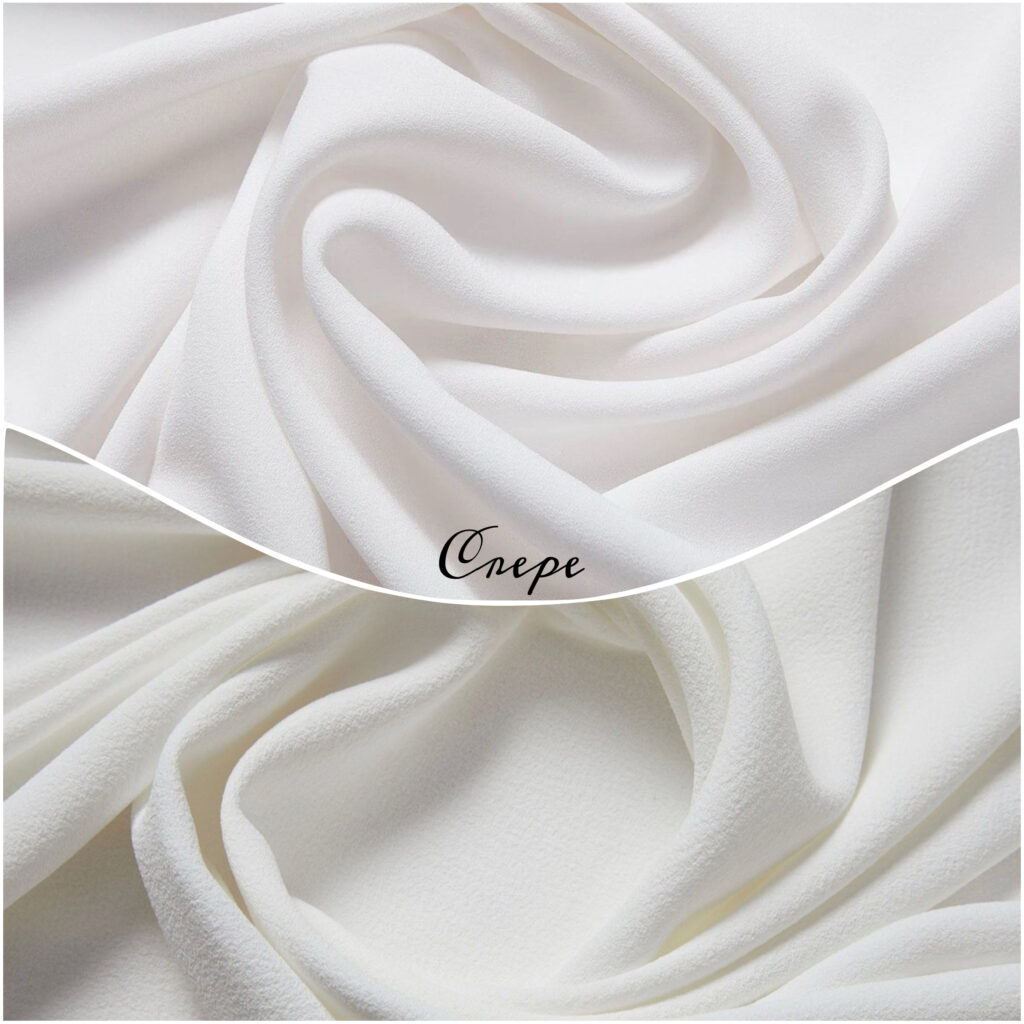
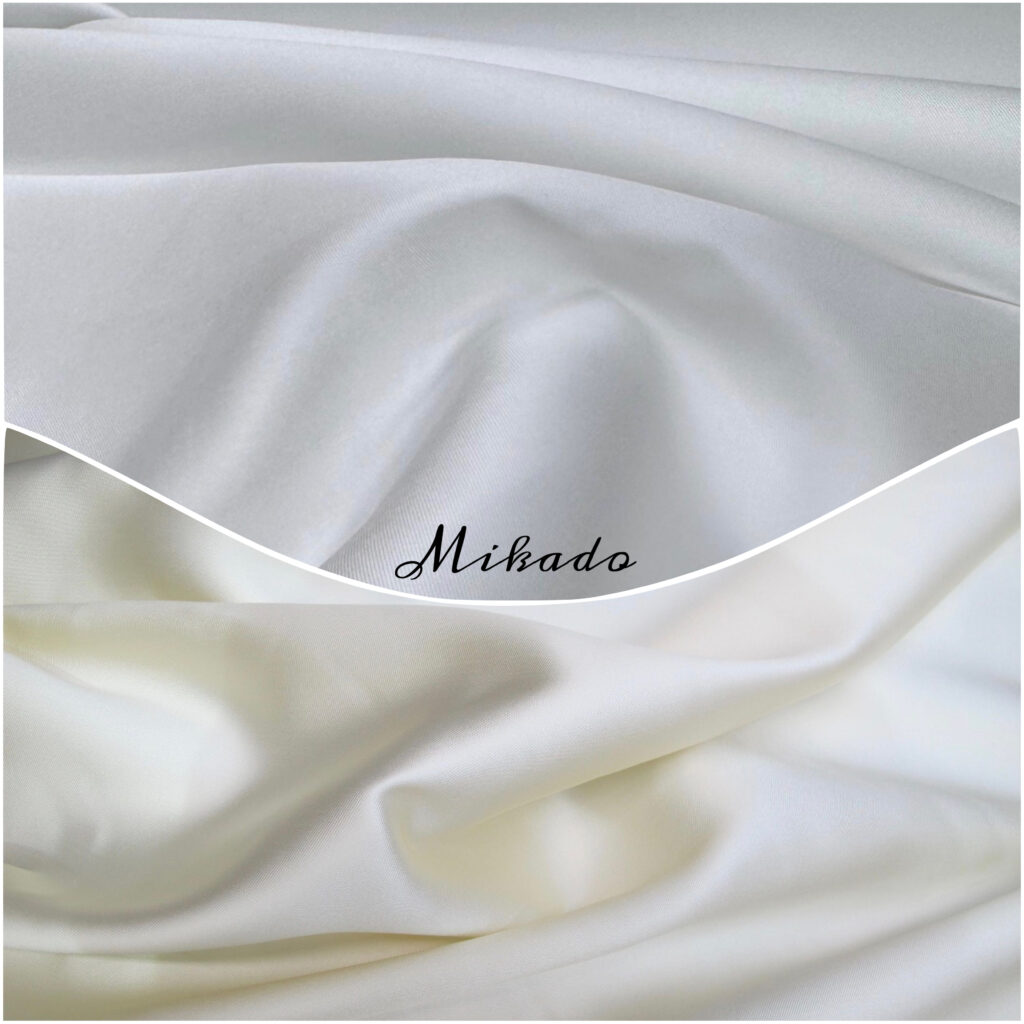
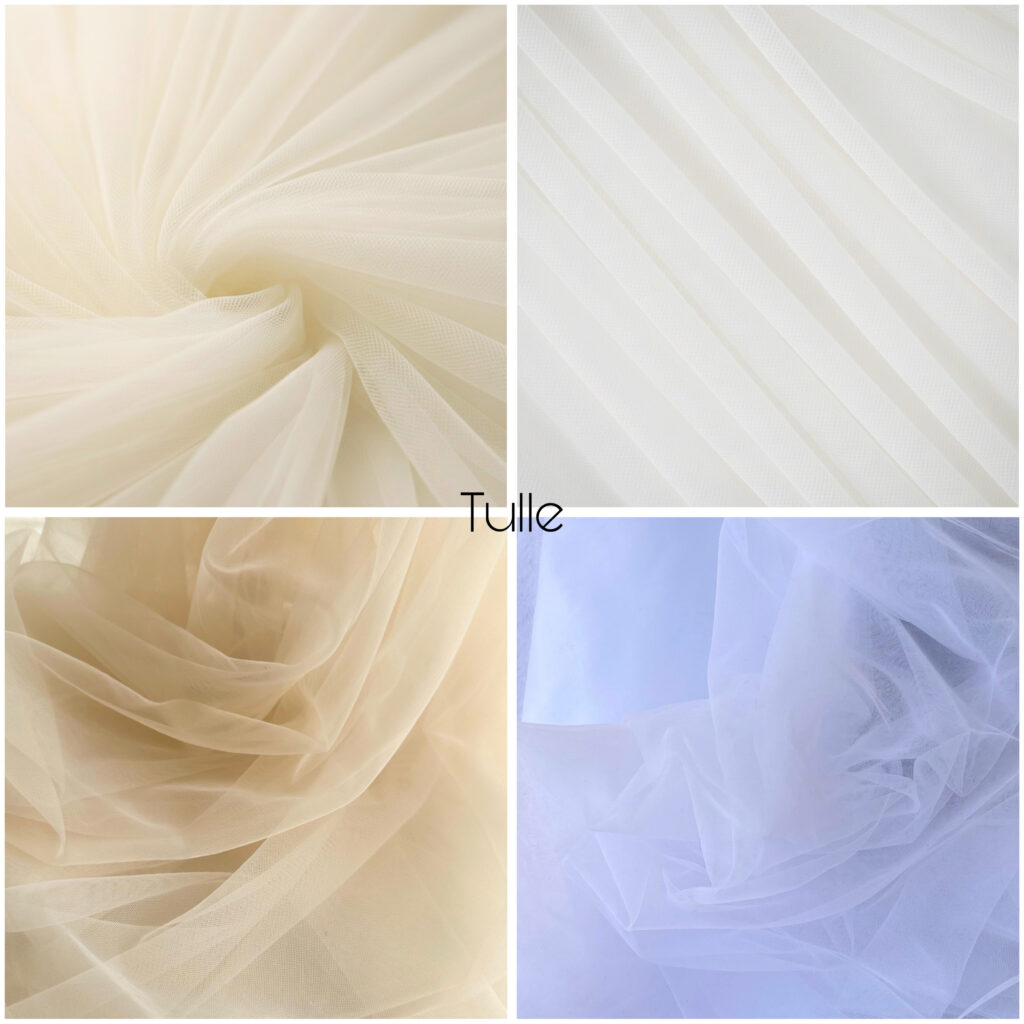
Here’s the simplest, most accurate guide based on the real fabrics used in bridal gowns: crepe, mikado, and tulle.
1. Understand Your Dress Fabric First
Bridal fabrics don’t come in endless shades. They usually follow these patterns:
- Crepe: almost always in diamond white or light ivory
- Mikado: mostly diamond white or light ivory
- Tulle: commonly diamond white, ivory, sometimes with beige or champagne under-layers.
2. Diamond White Veil: The Most Ideal & Universal Choice
Here’s the insider secret: diamond white = off-white. It’s just the bridal industry’s fancy name for it.
This shade is:
- clean
- soft
- not too yellow
- not too blue
- blends beautifully with 98% of wedding gowns
If you’re unsure or can’t compare shades in person, diamond white is the safest and most elegant choice.

3. What About Ivory veil?
Ivory is also a beautiful, warm-toned shade — but here’s what most brides don’t realize:
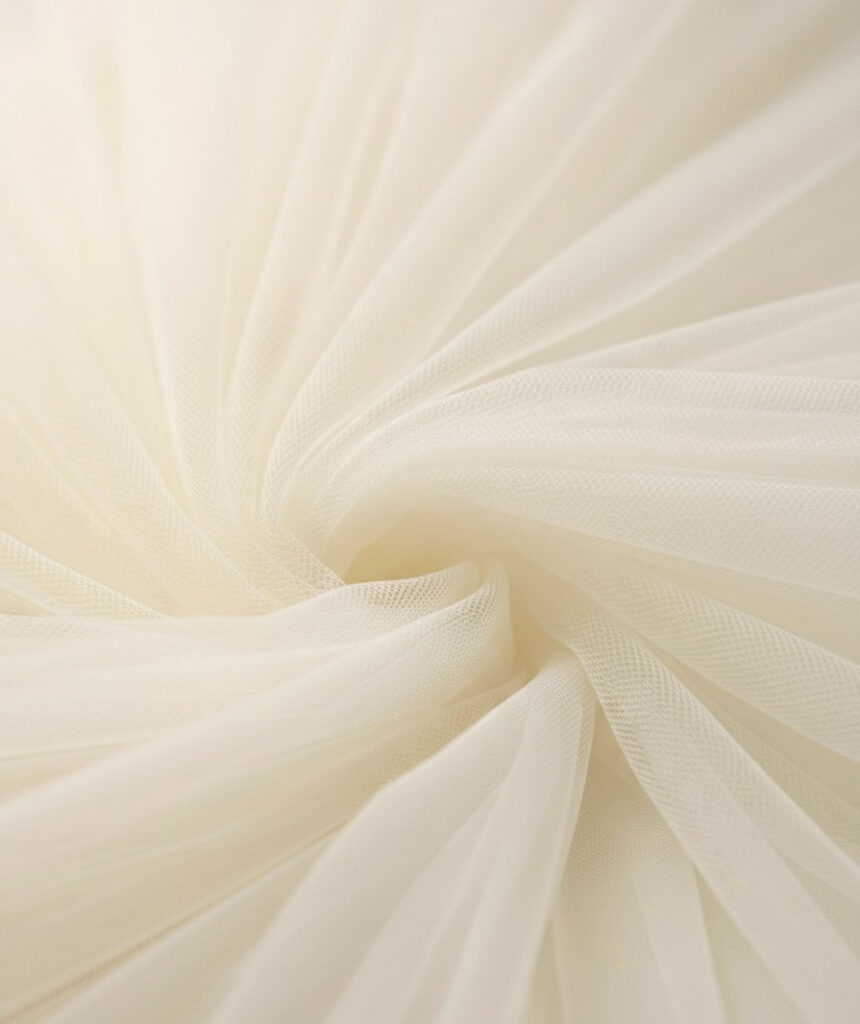
High-quality tulle is rarely available in true ivory. Most tulle comes in off-white/diamond white, which is why many “ivory veils” you see online actually photograph almost white.
Since tulle is sheer and transparent, ivory and diamond white tulle will blend beautifully with almost any:
- ivory dress
- champagne underlays
- crepe gowns
- mikado gowns
Ivory veils are more forgiving than brides expect — but diamond white is still the most accurate match for modern fabrics.
4. Why Bright White Veil Is Almost Never the Best Choice
Let’s be honest: bright white is extremely blue-toned in person. Under natural light and especially in photos, it can look:
- cold
- stark
- artificial
- mismatched next to modern dress fabrics
Most brides who think they want “white” actually love off-white, which is much softer and more flattering.
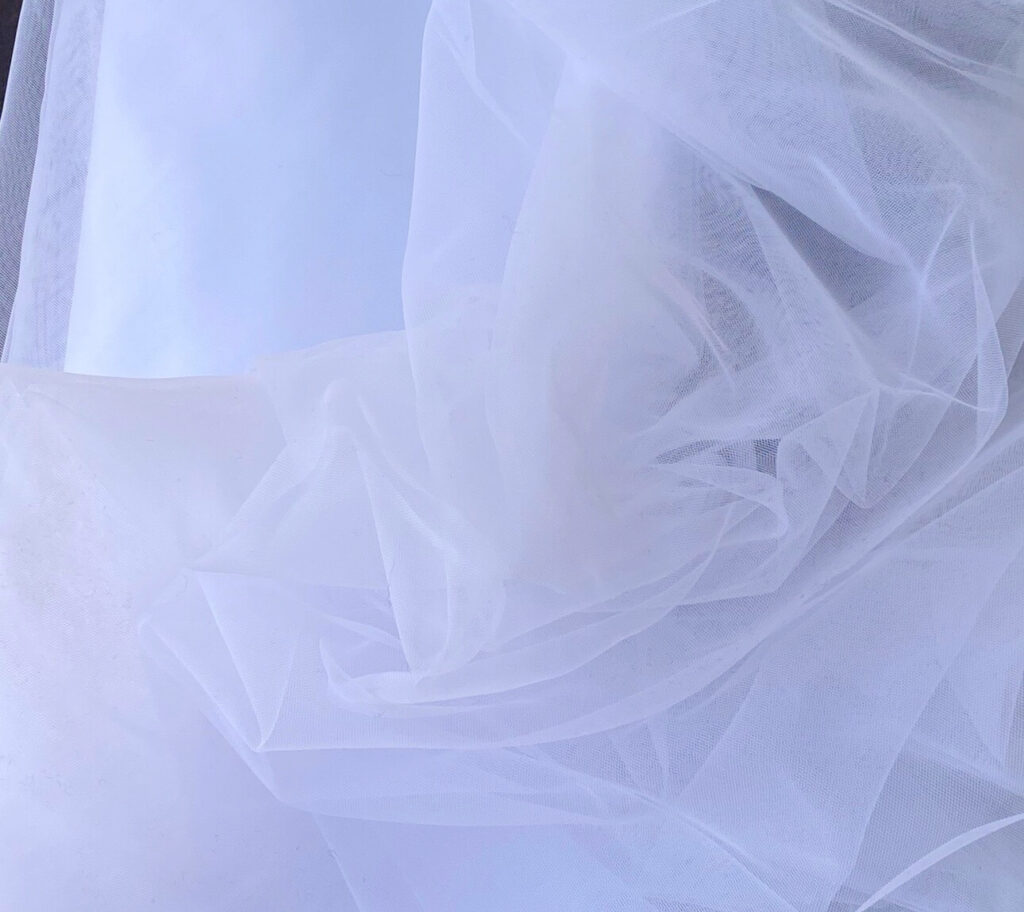
5. What About Dresses With Beige, champagne or Nude Undertones?
Many brides with beige, champagne or nude-lined gowns think their veil needs to match that exact shade. But in most cases, a diamond white or light ivory veil actually looks cleaner and more elevated.
Beige/champagne tulle can add a slightly brown or muted cast over your overall look, which can make the dress appear duller in photos. It works only if you’re intentionally going for a vintage or soft sepia-style aesthetic.
For a modern, fresh, and timeless bridal look, diamond white is still the most flattering and reliable choice, even on dresses with beige or champagne under-layers.
6. Simple Rule to Follow
Here’s your guide:
- If your dress is crepe → choose diamond white or light ivory veil.
- If your dress is mikado → choose diamond white or light ivory veil.
- If your dress has beige/champagne lining → diamond white or light ivory tulle veil works perfectly.
- Stay away from bright white and beige/champagne tulle veil — they can throw off your whole look unless you’re aiming for a very specific style or theme.
Designer Recommendation (From Me to You)
If you want the most natural, seamless match:
Choose diamond white (off-white).
It photographs the best, flatters every skin tone, and blends with almost all bridal fabrics.
If you’re unsure, you can send me a photo of your dress in natural lighting, and I’ll help you pick the perfect veil shade and create a custom bespoke veil that completes your whole look. Feel free to reach out to me by filling our contact form or message me directly on my Instagram for the fastest response.
